


10 March 2026
By Dr. Ketut Jaman
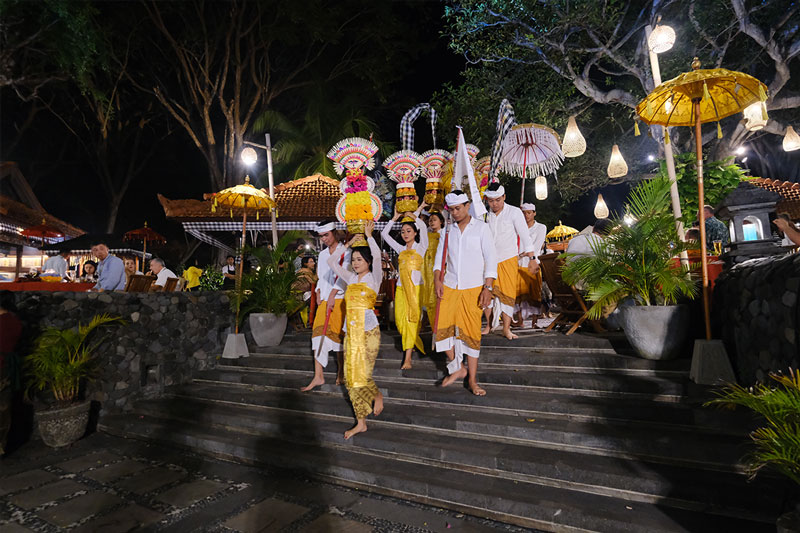
Bali is often called the “Island of the Gods,” a destination admired not only for its stunning landscapes, beaches, and vibrant arts, but also for its deeply spiritual culture and centuries-old traditions. For travellers, visiting Bali is more than simply enjoying a holiday—it is an opportunity to experience a living culture where religion, community, and nature are closely interconnected.
As tourism continues to grow, understanding local customs has become increasingly important. By observing a few essential dos and don’ts, visitors can enjoy Bali respectfully while contributing to a sustainable and culturally sensitive tourism environment.
Organisations such as Melali Bali DMC, a Bali-based destination management company specialising in cultural and experiential travel programmes, actively promote responsible tourism by helping visitors understand and respect the island’s unique traditions.
Understanding the Spirit of Bali
Balinese society is guided by a philosophy known as Tri Hita Karana, which emphasises harmony between people, nature, and the spiritual world. This philosophy shapes everyday life across the island—from temple ceremonies and community rituals to environmental stewardship.
Travellers who explore Bali with professional guides, such as those arranged by Melali Bali DMC, often gain deeper insight into these traditions, allowing them to appreciate the cultural meaning behind what they see and experience.
Dos: What Visitors Are Encouraged to Do
Respect Local Culture and Religious Traditions
Religion plays an integral role in daily life in Bali. Visitors will frequently encounter colourful temple ceremonies, traditional processions, and small daily offerings known as canang sari placed in front of homes, temples, shops, and even sidewalks.
Travellers are welcome to observe these traditions respectfully, but should always maintain a polite distance and follow the guidance of local hosts or professional guides. Cultural tours organised by Melali Bali DMC often include opportunities to observe ceremonies while learning about their meaning and significance.
Dress Modestly When Visiting Temples
Temples are sacred places of worship. Visitors entering temple grounds are expected to dress modestly by covering their shoulders and knees. Wearing a sarong and sash is customary, and these are often provided at temple entrances.
When travelling with organised tours arranged by Melali Bali DMC, guests are typically briefed in advance about temple etiquette, ensuring they feel comfortable and respectful during their visits.
Support Responsible Tourism Services
Using licensed tour operators, certified guides, and registered transportation services is highly recommended when exploring Bali. This ensures both safety and professionalism while supporting the local tourism economy.
For transportation services across Bali, visitors may consider Melali Bali Transport, a professional transport provider offering modern vehicles and experienced drivers for sightseeing tours, airport transfers, corporate travel, and group transportation. More information about available services can be found at melalibalitransport.com.
Protect Bali’s Natural Environment
Bali’s mountains, forests, rice terraces, rivers, and beaches are considered sacred parts of the island’s natural balance. Visitors are encouraged to minimise plastic waste, dispose of rubbish responsibly, and respect marine ecosystems.
Many tours organised by Melali Bali DMC incorporate environmentally responsible practices and encourage guests to experience Bali’s natural beauty while supporting sustainable tourism.
Don’ts: What Visitors Should Avoid
Do Not Disrespect Sacred Sites
Temples, statues, and religious monuments hold deep spiritual significance for the Balinese people. Visitors should avoid climbing temple structures, touching sacred objects, or taking inappropriate photos.
Professional guides arranged through Melali Bali DMC often provide helpful explanations about temple etiquette to ensure visitors understand which areas are accessible and which are reserved for worship.
Avoid Stepping on Religious Offerings
Across Bali, small woven baskets filled with flowers, incense, and rice are placed on the ground as daily offerings. These offerings are an essential part of Balinese Hindu rituals and represent gratitude and devotion.
Visitors should be mindful when walking in public areas to avoid stepping on these offerings.
Do Not Behave Disrespectfully in Public
Balinese culture values harmony, politeness, and respectful conduct. Visitors are expected to maintain appropriate behaviour in public spaces, avoiding offensive language, aggressive behaviour, or actions that may disrupt local communities.
Travelling with reputable service providers such as Melali Bali DMC and Melali Bali Transport helps ensure visitors receive guidance on local etiquette throughout their stay.
Do Not Litter or Damage Nature
Bali’s natural environment is one of the island’s greatest treasures. Visitors should avoid littering on beaches, forests, rivers, and sacred sites. Protecting the environment helps preserve Bali’s beauty for future generations.
Travelling Bali with Respect
Bali warmly welcomes travellers from around the world. The island’s hospitality is deeply rooted in its cultural values of kindness, balance, and respect.
By observing these simple dos and don’ts, visitors can enjoy a richer and more meaningful travel experience while contributing to the preservation of Bali’s cultural and natural heritage.
With professional support from organisations such as Melali Bali DMC and reliable transportation services from Melali Bali Transport (melalibalitransport.com), travellers can explore Bali responsibly while discovering the island’s authentic culture, breathtaking landscapes, and warm local hospitality.
(KJ)